
Decorative Cornice
How To Choose Ornate Cornice Work For Your Restoration Project
What Style Of Cornice Will Suit Your Home
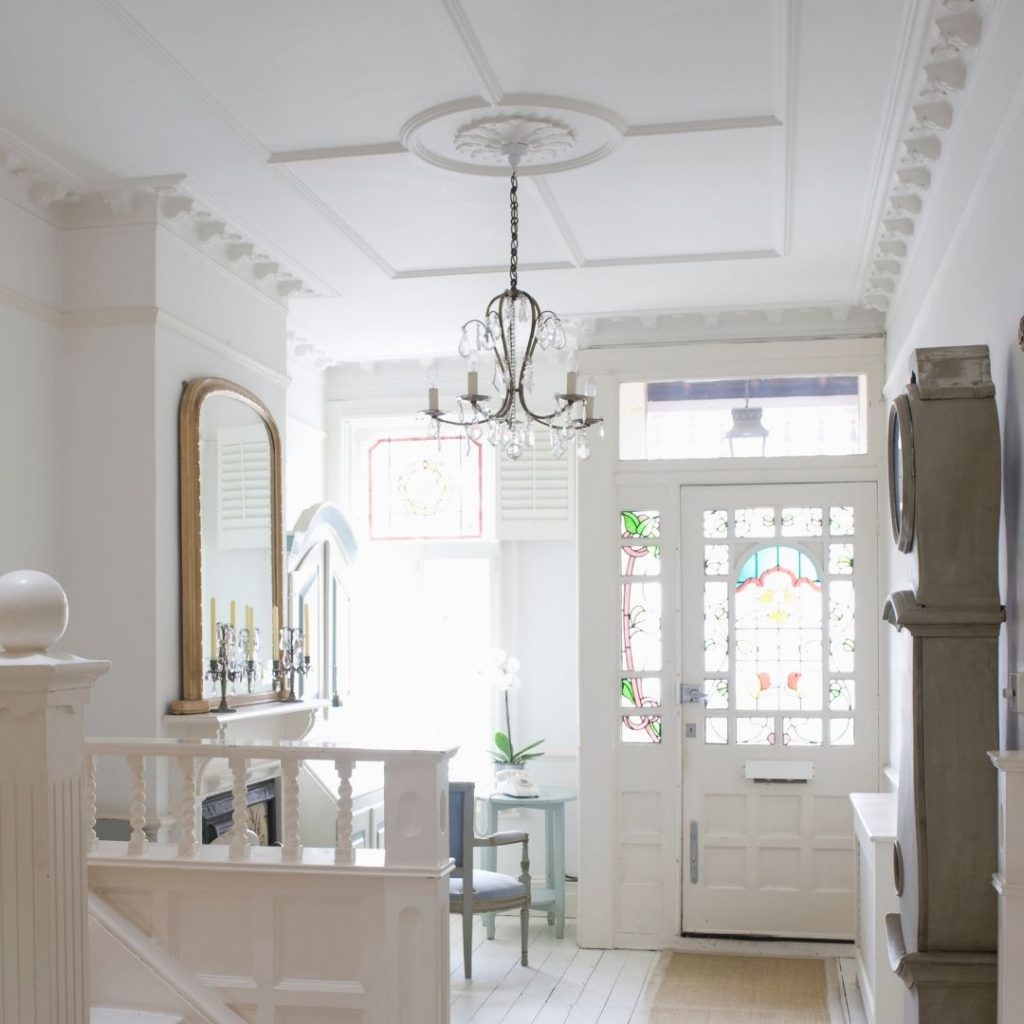
Across Queensland and Brisbane, three period styles come up again and again in restoration work. Victorian, Federation and Art Deco homes are all in high demand to be brought back to their former glory. Once a restoration gets underway, choosing all of the smaller details can quickly feel overwhelming, yet those details are exactly what make these older homes so unique and full of character. The original builders around Brisbane and Queensland each had their own signature, often putting up a cluster of homes in the same suburb with a look you can still recognise today. Queensland homes tend to carry a real mix of influences, blending the local timber build style with touches of traditional English architecture inside. Getting the cornice right is what ties all of that character together, which is why it matters so much in any renovation and across our wider ornamental plastering work.

Whether your home is a classic Queenslander, a Federation cottage or a later Art Deco build, choosing a cornice profile that suits its era helps the whole room feel finished, considered and true to the original character of the house.

What Are The Different Styles To Choose From?
- Colonial and Georgian: formal, government-style buildings up to around 1850.
- Gothic: the prestige buildings of the day such as banks, insurance offices and universities, with some homes too, lasting until about 1880.
- Victorian: decorative touches like iron lacework that overlapped the Gothic period.
- Federation and Edwardian: from the late 1800s to the 1930s, the era that gave us the iconic Queenslander, timber built with wide verandahs, raised on stumps to catch the breeze and stay clear of floodwaters, with windows placed for airflow.
- Art Deco: from just after the First World War through to the 1950s.
What Do Cornices Actually Do?
How A Cornice Shapes The Light In A Room
Cornices look great, and they quietly do a practical job too, helping to diffuse the light in a room. A curved cornice bounces light up onto the ceiling, which softens harsh shadows and suits higher ceilings especially well. In Australia, decorative plaster pieces are usually made from either plaster or styrofoam, and there are hundreds of styles and profiles to choose from, so it is easy to order something you love from local suppliers and have it fitted to suit the room. These details work hand in hand with feature decorative ceilings and matching ceiling roses.
If you prefer a minimalist look, square set ceilings are a clean option.
P50 shadowline is another modern ceiling join worth knowing about. It creates the illusion of a floating ceiling by setting a small, neat recess where the wall meets the ceiling, and it looks fantastic in a contemporary room renovation where you want clean, simple lines overhead.
All Plasterboard Work
Residential
Commercial
Decorative
Insurance
Call 07 5315 8349