Renovation Plastering on the Gold Coast
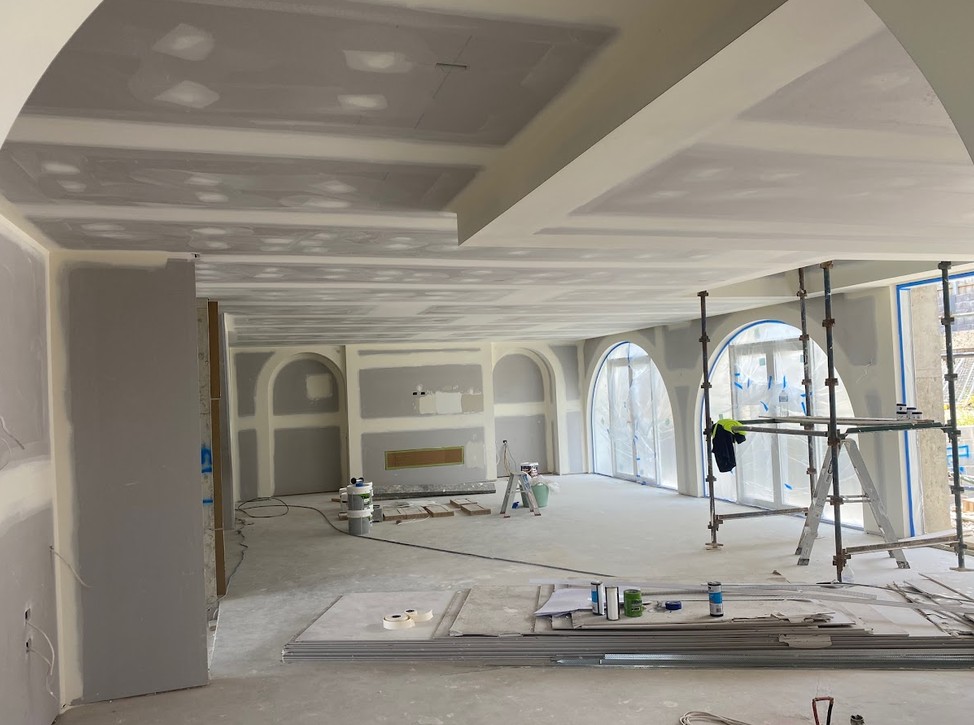
Plastering for Renovations, Older Homes & Queenslanders
Older homes and Queenslanders often need new linings, ceiling repairs or decorative work during a renovation. Restoration is our favourite kind of plastering work.
We enjoy working with character details, bringing older homes up to date while keeping the features that make them special. If your home is heritage listed, check with the City of Gold Coast before work starts, as approval may be needed.
Renovation & Restoration Plastering
Everything from new plasterboard walls to the decorative details that give an older home its character.
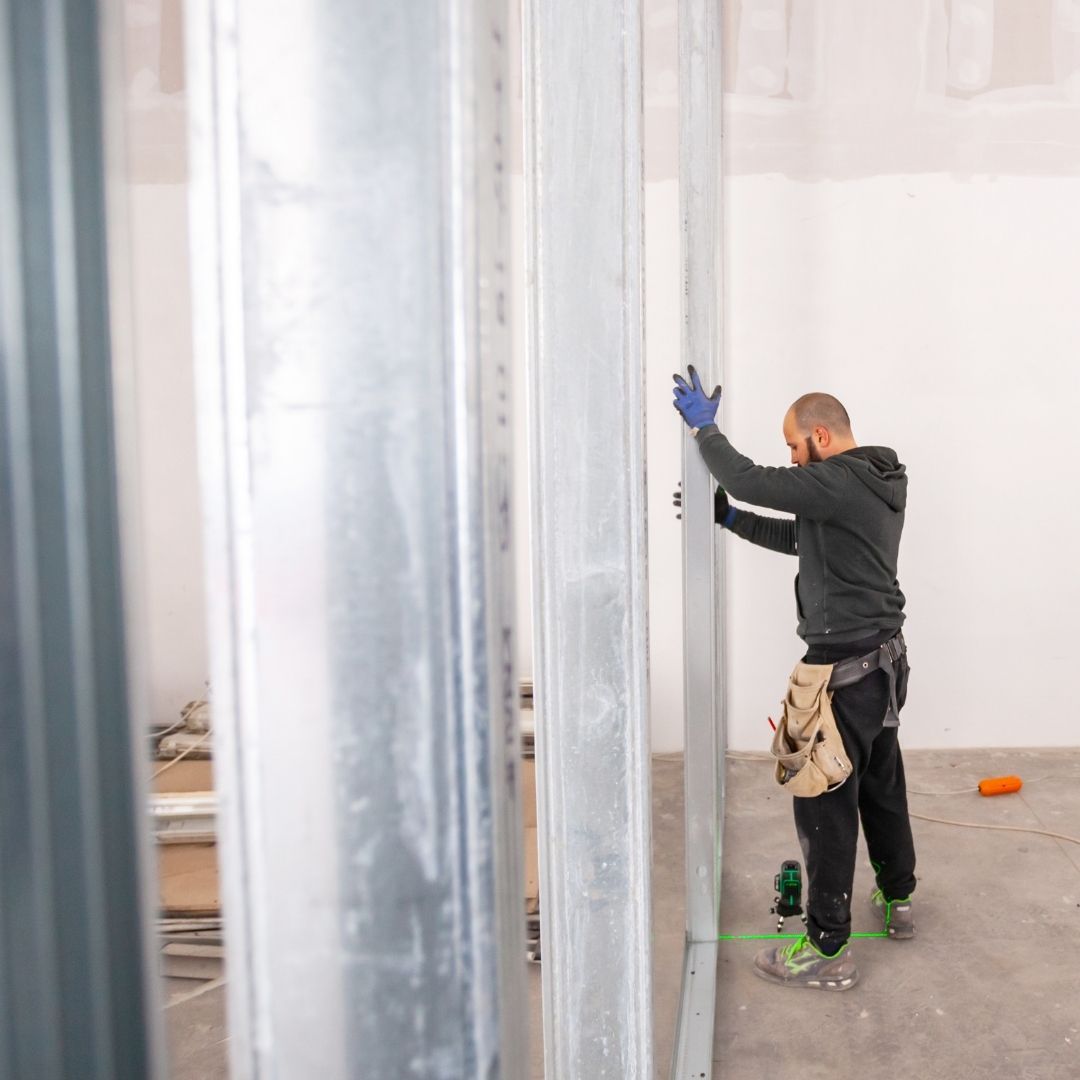
Plasterboard Walls
New plasterboard walls in bedrooms, kitchens and bathrooms during a renovation.
Raised & Lower Levels
Clean plastered walls for new rooms built underneath a raised house.
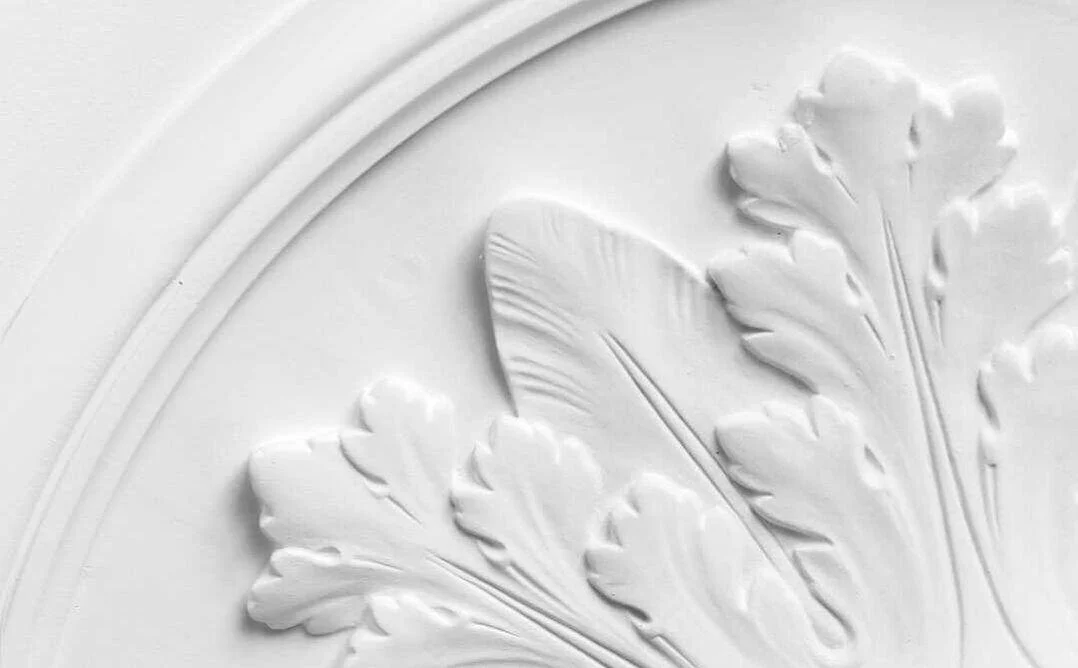
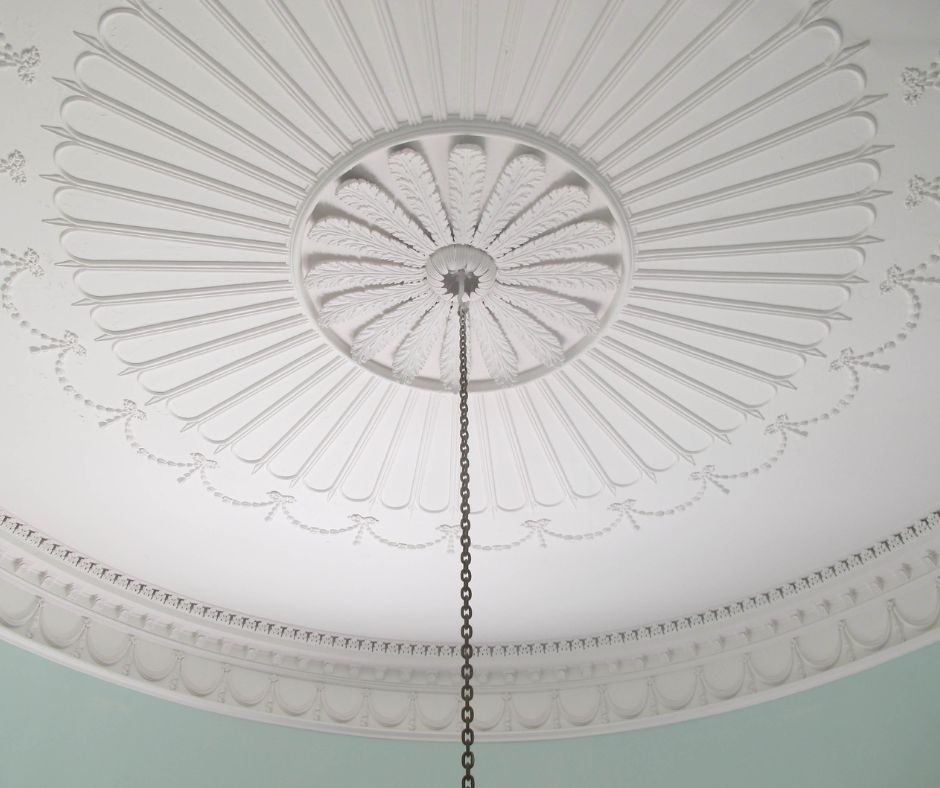
Ceiling Roses & Panels
Ceiling roses and decorative panels to make the most of high ceilings.
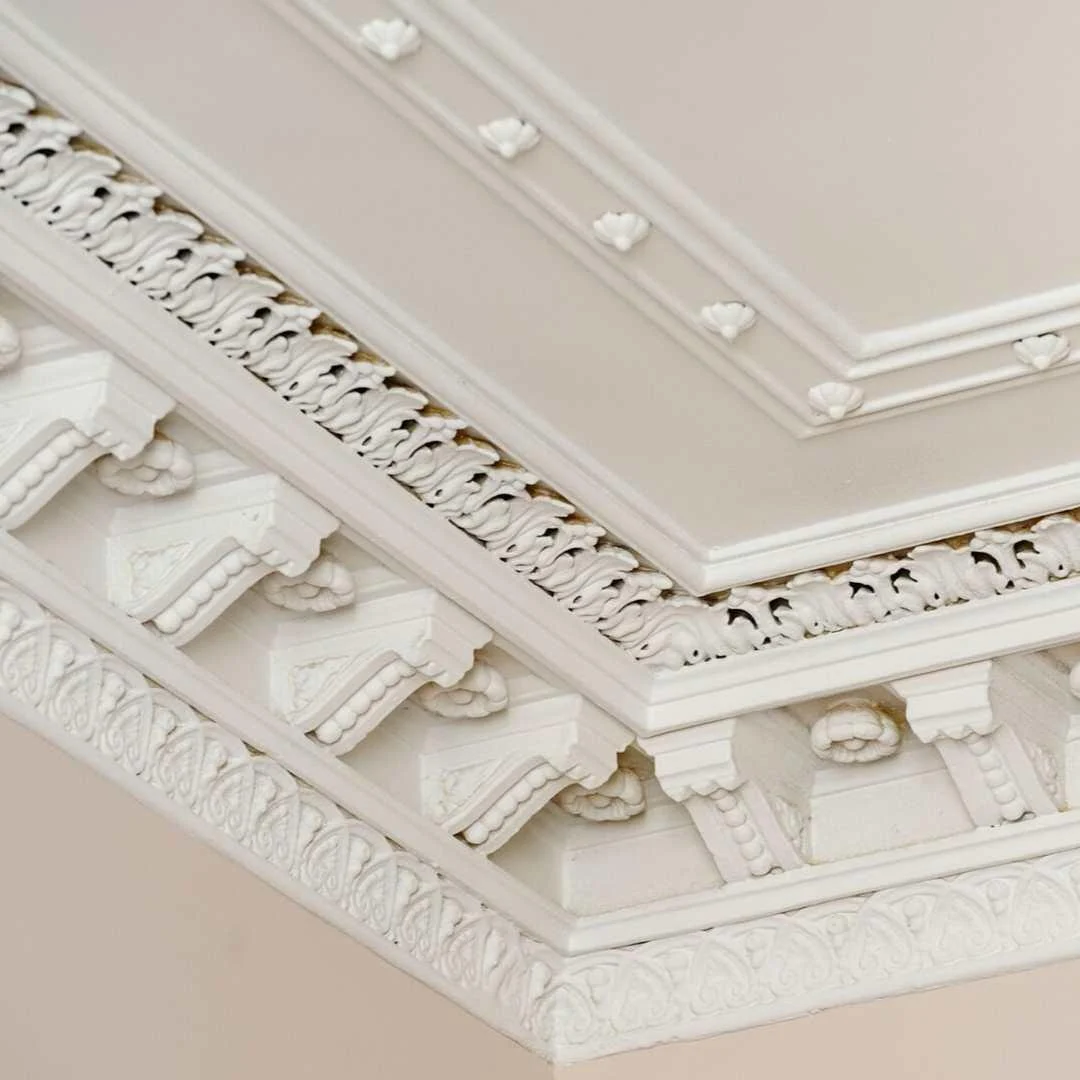
Ornamental Cornices
Cornices chosen to suit the era of the home, the room size and the ceiling height.
Period Features
Picture rails and wainscoting to bring character back to renovated walls.
Crack Repairs
Cracked walls repaired, with the right board used to help prevent them returning.
Plasterboard Walls in a Renovation
Queenslander walls were usually VJ boards, which are still readily available. Many renovations keep both.
 Keep
KeepKeep the Character
Consider keeping VJ walls in hallways and living areas, and bring back period features such as picture rails or wainscoting on new walls.
 Plaster
Plasterboard Where It Works
Replace walls in bedrooms, kitchens and bathrooms with plasterboard. If you are raising the house, the clean lines of plaster suit the lower rooms, where natural light is lower.
Asbestos is common in older homes. The Queensland Government advises that asbestos in good condition is safest left alone, so the first question is whether the renovation needs to disturb it. If it does, we can arrange for it to be removed quickly and safely.
Choosing the Right Cornice Size
A large cornice in a room with low ceilings looks out of proportion and makes the room feel smaller. As a general guide, match the size of the cornice to the height of the ceiling.
Ceiling 4.3m+: 200 mm cornice
For ceilings 4.3 metres (14 feet) or higher.
Ceiling 2.75m+: 90–120 mm cornice
For ceilings above 2.75 metres (9 feet).
Ceiling <2.75m: 50–70 mm cornice
For ceilings lower than 2.75 metres. Smaller cornices also suit rooms with built-in cabinetry, such as kitchens and bathrooms.
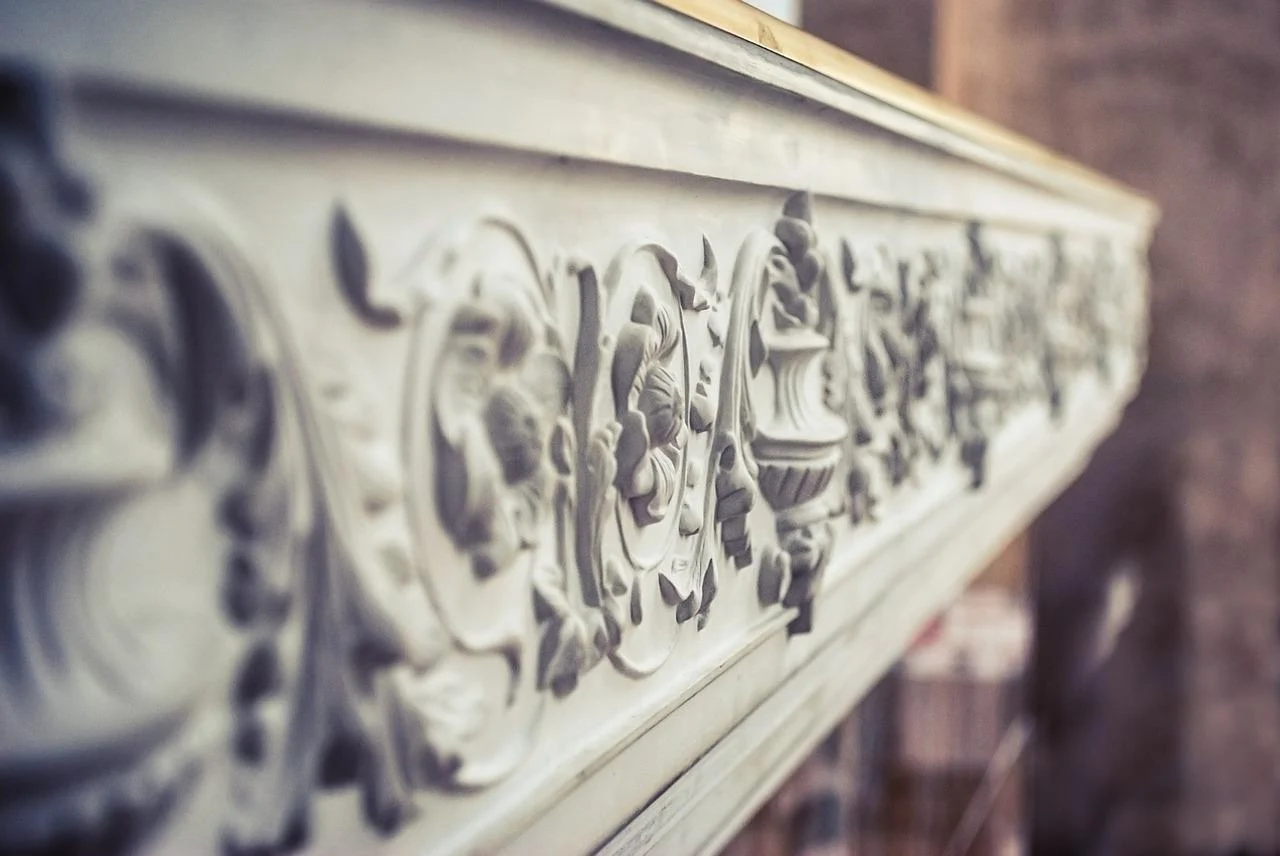
How to Choose an Ornamental Cornice
Cornices are the mouldings where the walls meet the ceiling, also called coving or crown moulding. There is no limit to the styles available, so these points make the choice easier.
Choosing a cornice
Cracks in walls
Recent Renovation Plastering Projects
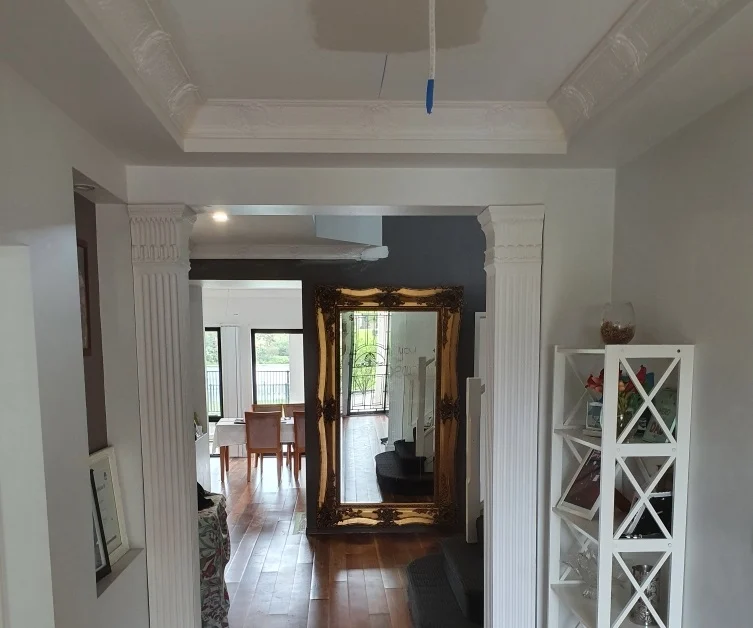
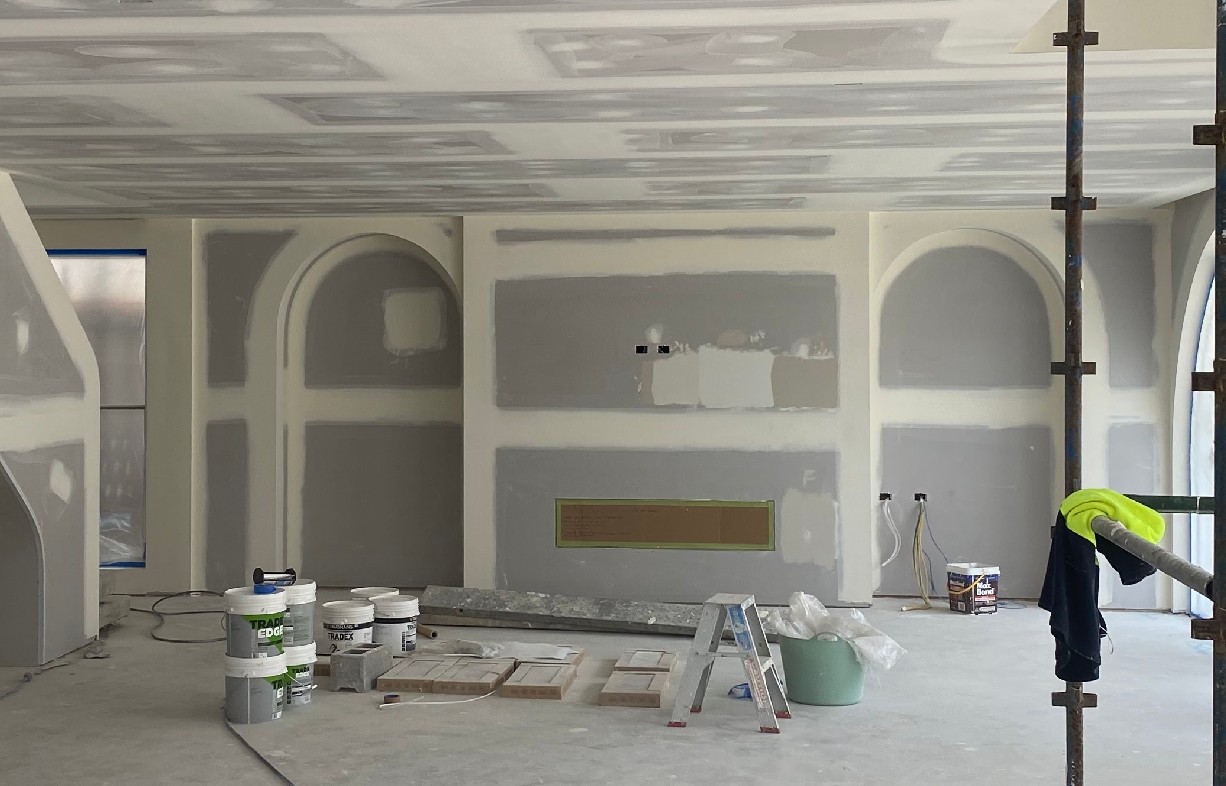
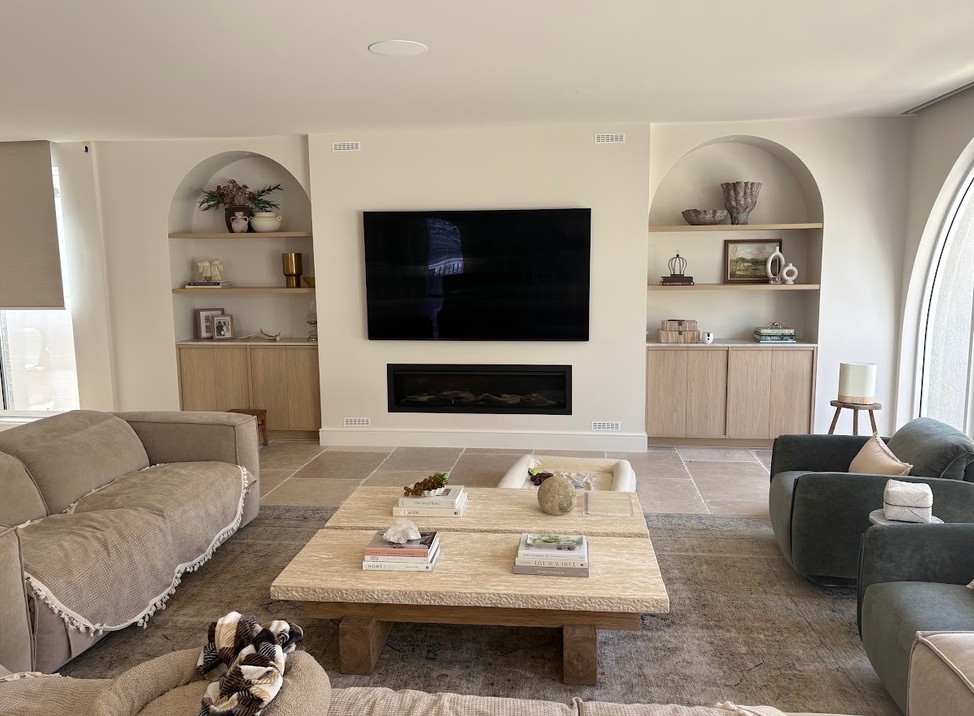
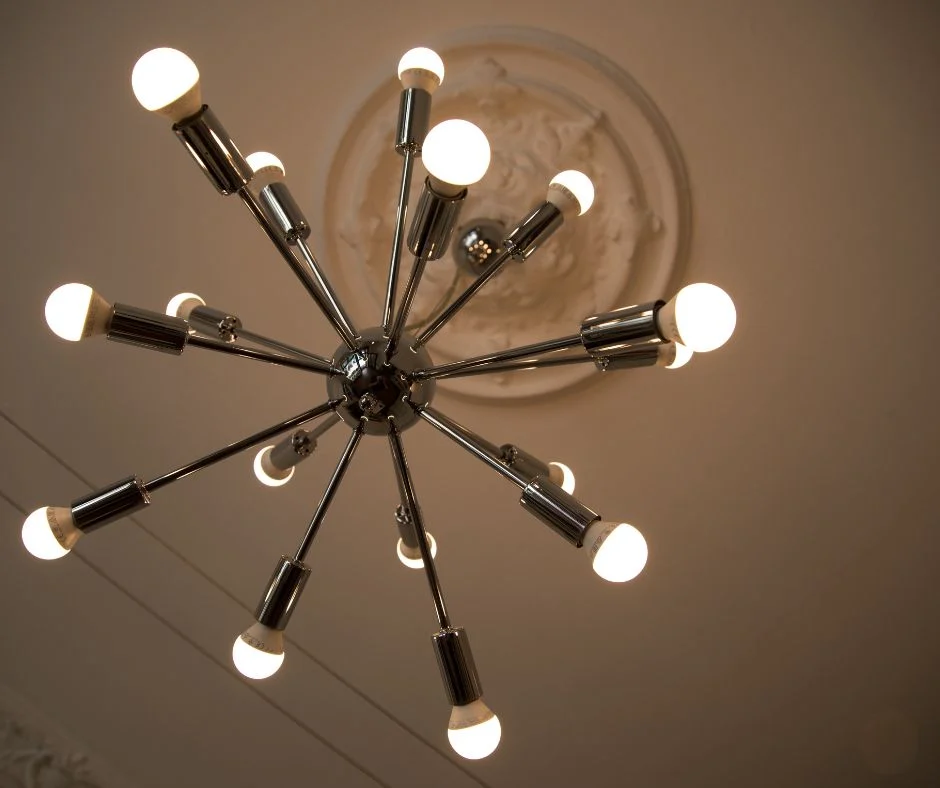
Older home renovations, decorative ceilings and restorations by our team. Tap any image to view it full size.
How Your Renovation Plastering Works
Start With a Free QuoteTell Us What You Need
Call us or send the form with a few details, and photos of the work if you have them.
We Assess the Work
We'll discuss your requirements and arrange an assessment where needed.
Receive Your Quote
We'll provide a clear quote based on the work required, with no obligation.
We Finish the Plastering
Our experienced team completes the work with care, then cleans up before we leave.
Renovation Plastering Across the Gold Coast
We work on renovations and restorations across the Gold Coast, from Coomera to Coolangatta.
Gold Coast areas we cover
Gold Coast & surrounding areas
Not sure if we cover your suburb? Get in touch and we'll let you know.
Renovation & Restoration FAQs
Common questions about plastering in older homes and Queenslanders.
Still have a question?
Our team is happy to talk through your project and answer any questions.
Call (07) 5315 8349Do you work on Queenslander renovations?
Yes. Queenslanders are our favourite style of home to restore, and we are experienced with the character details that make them special.
Do I need a permit to renovate an older home?
If your home is heritage listed, approval from the City of Gold Coast may be needed before work starts. It is worth checking early.
Should I keep my VJ walls?
Many renovations keep VJ walls in hallways and living areas and use plasterboard in bedrooms, kitchens and bathrooms. Plasterboard also suits lower levels when a house is raised.
How do I choose the right cornice?
Consider what you like, the era of the home, the size of the room, how much light it gets and the ceiling height. As a guide: 200 mm for ceilings 4.3 m or higher, 90–120 mm above 2.75 m, and 50–70 mm below 2.75 m.
Can you install ceiling roses?
Yes. Queenslanders have high ceilings, and ceiling roses and decorative ceiling panels make the most of that space.
What if asbestos is found during the renovation?
Asbestos is common in older homes. If it's in good condition and won't be disturbed, the Queensland Government says it's safest left alone. If the renovation has to disturb it, we can arrange for it to be removed quickly and safely before the work continues.
Why do cracks appear in plasterboard walls?
Cracks usually appear where the wall changes direction or moves. Using the right board in wet or humid areas, isolating plasterboard from structural elements and spacing joins correctly all help.
Can I do the plastering myself?
Minor DIY plastering is possible, but sheets are heavy and brittle, need two people to handle, and the dust can irritate eyes. For large areas or ceilings, we can create a perfect finish for you.
Other Plastering Services
Plastering for every kind of project across the Gold Coast.
Planning a Renovation?
Tell us about your project and the walls or ceilings you need done. We’ll get back to you to talk through the work and arrange a free quote.
(07) 5315 8349Call for a free quote
Gold Coast & surroundsResidential & commercial
QBCC LicensedLicence No. 15576119
25+ yearsOf plastering experience
Request a Free Plastering Quote
Fill in your details and we'll be in touch to discuss your project.